

Services
Prototype Markham
Bringing an electronic product from concept to production requires careful planning, accurate assembly, and reliable testing. A well-built prototype allows engineers, product developers, OEMs, startups, and manufacturers to evaluate design performance before investing in larger production quantities. KBH Electronics provides dependable prototype Markham services that support every stage of electronic product development, from initial assembly through engineering validation and production readiness.
Every prototype represents an opportunity to verify design accuracy, improve functionality, and reduce manufacturing uncertainty. By combining organized production processes with detailed inspections and functional testing, our team helps customers move confidently from development into scalable manufacturing while maintaining product quality and consistent performance.
Building Reliable Prototypes for Successful Product Development
Prototype manufacturing is more than assembling components onto a printed circuit board. It involves verifying design intent, coordinating materials, confirming assembly accuracy, and preparing products for future production.
Our prototype services emphasize: Accurate electronic assembly, Organized production planning, Careful component handling, Detailed inspections, Functional verification,
Flexible production quantities, Clear communication, Efficient project coordination.
This structured approach supports informed engineering decisions while helping reduce production challenges later in the manufacturing cycle.
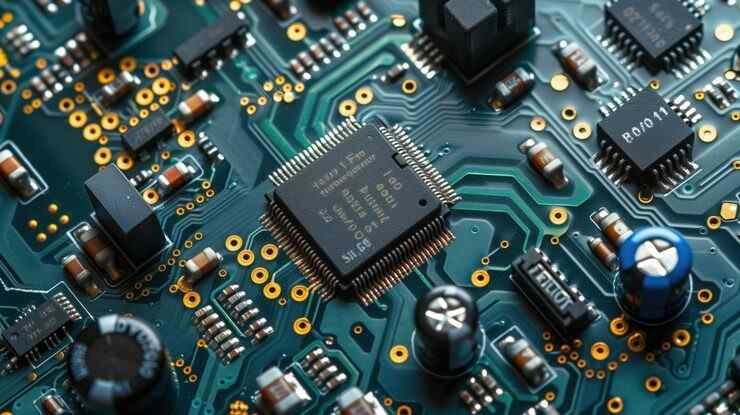
Professional Prototype Assembly Services in Markham
Electronic prototype assembly provides manufacturers with an opportunity to evaluate performance before committing to full-scale production. By assembling and testing a working version of a product, engineering teams can identify improvements, verify functionality, and prepare designs for efficient manufacturing.
Whether developing a new electronic device or refining an existing product, prototype manufacturing helps reduce uncertainty and supports a smoother transition into commercial production.
Why Prototype Assembly Is Important
Every successful production program begins with a carefully evaluated prototype.
Prototype manufacturing helps businesses: Verify circuit board functionality,Evaluate component placement, Confirm electrical performance, Identify design improvements, Prepare for production scaling, Improve manufacturing efficiency, Support engineering validation, Reduce production risks.
Well-planned prototype assembly contributes to better product quality and more efficient manufacturing.
Prototype Manufacturing Services We Offer
KBH Electronics offers a broad range of prototype manufacturing solutions designed to support engineering teams throughout product development. Our services are suitable for early-stage concepts, design verification, pilot builds, and production preparation.
PCB Prototype Assembly
Printed circuit boards form the foundation of nearly every electronic product. Accurate assembly ensures that engineering teams can evaluate circuit performance under real operating conditions before production begins.
Our Prototype PCB Assembly Markham services support a variety of board configurations and production quantities while maintaining consistent manufacturing practices.
Our services include: Single-sided PCB assembly, Double-sided PCB assembly, Multi-layer PCB assembly, Fine-pitch component installation, High-density PCB population, Rigid PCB assembly, Flexible PCB assembly, Prototype production quantities.
Each assembly is reviewed throughout production to support dependable performance and accurate engineering evaluation.
Prototype PCB Manufacturing
Prototype PCB manufacturing provides engineers with physical circuit boards for validation before larger production investments are made. Coordinated fabrication and assembly help confirm that board layouts perform according to design expectations.
Our manufacturing process aligns PCB fabrication with assembly requirements to support efficient prototype development.
Advantages of Prototype PCB Manufacturing: Earlier design verification, Improved manufacturing planning, Better engineering feedback, Faster product refinement, Reduced production uncertainty, Efficient design revisions, Smoother transition into production.
Early validation allows engineering teams to refine products while minimizing unnecessary manufacturing changes.
Rapid Prototype Assembly
Shorter development cycles often require quick access to assembled prototypes for evaluation and testing. Rapid prototype assembly focuses on efficient coordination without compromising manufacturing accuracy.
KBH Electronics supports projects requiring accelerated prototype builds while maintaining organized production workflows and inspection procedures.
Rapid Prototype Assembly Supports: Product concept evaluation, Engineering revisions, Design optimization, Functional verification, Customer demonstrations, Pilot projects, Small production quantities, Manufacturing preparation.
Efficient prototype assembly allows businesses to maintain project momentum while preparing for future production.
Electronic Prototype Development
Electronic product development involves more than building a working circuit board. It requires careful coordination between engineering documentation, component selection, assembly planning, and testing.
Our electronic prototype development services help transform engineering concepts into functional electronic assemblies that are ready for evaluation.
Prototype Development Services Projects may include: Prototype planning, Assembly preparation, PCB population, Mechanical integration, Connector installation, Assembly documentation, Engineering coordination, Prototype verification.
Every prototype is assembled according to customer specifications to support accurate design evaluation.
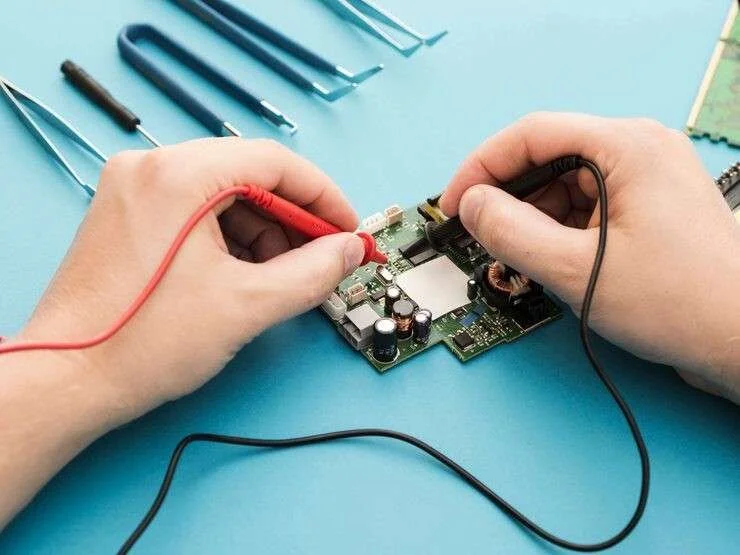
SMT Prototype Assembly
Surface Mount Technology (SMT) enables compact electronic designs by placing miniature components directly onto the printed circuit board. SMT prototype assembly allows engineers to evaluate product performance before production begins.
Our SMT manufacturing process emphasizes accurate component placement and dependable soldering practices.
SMT assembly supports products such as: Consumer electronics, Industrial controllers, Medical equipment, Communication devices, Automotive electronics, Robotics, Smart electronics, IoT products.
Benefits of SMT Prototype Assembly: Compact PCB layouts, High component density, Efficient automated placement, Reliable electrical connections, Consistent manufacturing, Support for complex board designs.
Accurate SMT assembly provides engineering teams with dependable prototypes for design validation.
Through-Hole Prototype Assembly
Some electronic products require through-hole components to provide additional mechanical strength or accommodate larger electrical devices. Through-hole prototype assembly remains an important manufacturing method for many industrial and commercial products.
Our assembly process carefully installs and verifies each component according to project specifications.
Projects may include: Connectors, Transformers, Switches, Terminal blocks, Relays, Large capacitors, Power components, Mechanical hardware.
Advantages of Through-Hole Assembly: Strong mechanical attachment, Reliable electrical performance, Suitable for demanding environments, Effective for larger components, Improved structural stability, Support for industrial applications.
Through-hole assembly continues to play an important role in many prototype development projects.
Mixed Technology Assembly
Many electronic products combine surface mount and through-hole components on the same circuit board. Mixed technology assembly requires careful planning to coordinate multiple manufacturing processes while maintaining assembly accuracy.
KBH Electronics supports mixed technology prototype projects for products with diverse technical requirements.
Our capabilities include: SMT and through-hole integration, Complex PCB configurations, Multi-stage assembly workflows, Embedded electronic products,
Industrial control systems, Communication equipment, Power management assemblies, Custom prototype manufacturing.
By integrating multiple assembly methods within a coordinated workflow, we help engineering teams evaluate complete product designs before moving into larger production quantities.
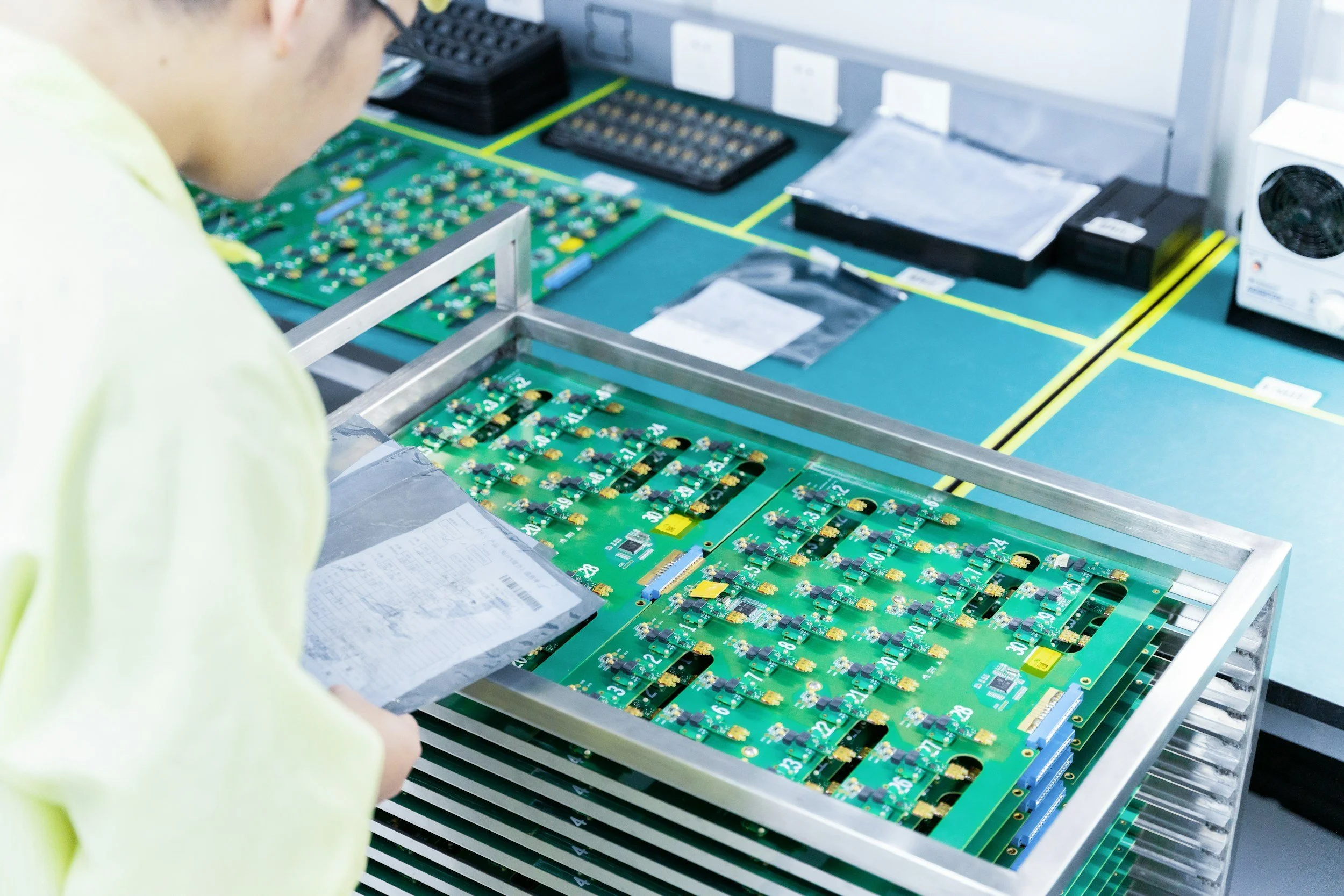
Prototype Testing
A functional prototype provides valuable engineering feedback only when it has been evaluated under controlled conditions. Prototype testing confirms that assembled circuit boards perform according to design intent before additional production resources are committed.
Our testing procedures are developed around customer specifications, product requirements, and intended operating conditions. This structured approach supports informed engineering decisions while helping identify opportunities for refinement.
Evaluating Prototype Performance
Testing activities focus on verifying both electrical and mechanical performance before the product advances to the next stage of development.
Prototype Testing May Include: Electrical continuity verification, Power-on evaluation, Signal integrity checks, Connector validation, Programming verification, Communication interface testing, Mechanical fit assessment, Customer-specific evaluation procedures.
Consistent testing provides meaningful performance data that supports product refinement and manufacturing readiness.
Functional Testing
Building a working prototype is only one step in product development. Functional testing verifies that the assembled product performs its intended tasks under normal operating conditions.
Testing procedures vary according to product complexity and customer requirements, allowing each prototype to be evaluated using relevant performance criteria.
Confirming Product Operation
Functional testing helps engineering teams identify issues before products enter pilot production or commercial manufacturing.
Functional Testing Activities: Input and output verification, Power distribution testing, Firmware validation, Interface communication checks, Operational sequence verification, Basic performance evaluation, Electrical response confirmation, Customer-defined functional tests.
Well-documented testing contributes to dependable product performance and more confident production planning.
Engineering Validation
Engineering validation provides an opportunity to confirm that a prototype aligns with design objectives before larger manufacturing commitments are made. It combines prototype assembly, testing, and technical review to evaluate overall product performance.
This stage often identifies adjustments that improve manufacturability, product reliability, or assembly efficiency.
Supporting Better Engineering Decisions
Validation allows product teams to evaluate both design intent and production practicality.
Engineering Validation Supports: Design confirmation, Assembly evaluation, Component compatibility review, Mechanical integration assessment, Manufacturing feasibility, Product refinement, Performance verification, Production preparation.
Engineering validation reduces uncertainty while supporting smoother progression into future production stages.
Design Verification
Design verification confirms that the assembled prototype matches approved engineering documentation and manufacturing requirements. It helps ensure that circuit layouts, components, and assembly methods align with the intended product design.
Verification activities provide valuable insight before pilot production begins.
Reviewing Critical Design Elements
Careful verification supports both engineering confidence and production efficiency.
Design Verification Includes: PCB layout review, Assembly documentation confirmation, Component placement verification, Mechanical alignment review, Connector positioning checks, Material consistency review, Assembly requirement validation, Production readiness evaluation.
Organized verification helps reduce avoidable production changes and supports dependable manufacturing outcomes.
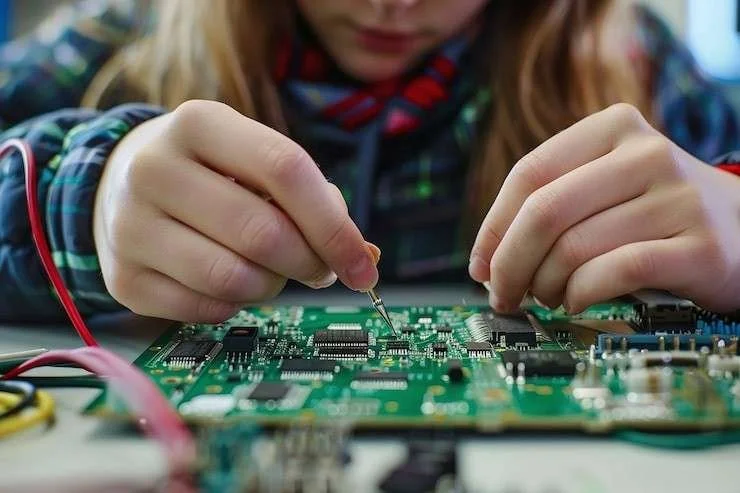
Component Sourcing
Reliable prototype manufacturing depends on obtaining the correct electronic components at the appropriate stage of production. Organized sourcing supports accurate assembly while helping maintain project schedules.
Our procurement workflow coordinates approved components according to customer documentation and manufacturing requirements.
Coordinated Material Procurement
Careful sourcing helps maintain consistency throughout the prototype manufacturing process.
Component Sourcing Services: Approved component procurement, Part number verification, Supplier coordination, Material availability review, Receiving inspection, Inventory planning, Alternative component assessment when appropriate, Documentation management.
Accurate component sourcing supports efficient assembly and dependable prototype performance.
BOM Procurement
The Bill of Materials provides the foundation for every prototype manufacturing project. Each listed component must match engineering documentation before assembly begins.
Our BOM procurement process reviews material requirements to support efficient purchasing, organized inventory management, and accurate production planning.
Material Verification Before Assembly
Early review of the BOM helps minimize production interruptions and unnecessary procurement delays.
BOM Procurement Activities: Quantity verification, Manufacturer reference confirmation, Material availability assessment, Approved substitute evaluation, Purchasing coordination, Inventory tracking, Documentation updates, Production planning support.
Well-managed BOM procurement contributes to consistent prototype assembly and smoother manufacturing workflows.
Low-Volume Manufacturing
Not every project requires immediate large-scale production. Many organizations begin with smaller manufacturing quantities to support product evaluation, customer demonstrations, field testing, or limited commercial release.
Our low-volume manufacturing services provide flexibility while maintaining organized production practices.
Flexible Production Quantities
Low-volume production supports organizations at different stages of product development.
Common Applications: Engineering samples, Product demonstrations, Limited product launches, Market evaluation, Research projects, Specialized equipment, Product refinement, Controlled production releases
Flexible manufacturing quantities allow businesses to align production with project objectives while maintaining quality.
Pilot Production
Pilot production serves as the bridge between prototype development and recurring manufacturing. It verifies that production processes, assembly procedures, and material planning can support larger manufacturing requirements.
Pilot builds provide valuable production feedback before manufacturing volumes increase.
Preparing for Production Expansion
Pilot production helps confirm manufacturing readiness while supporting continuous improvement.
Pilot Production Benefits: Process verification, Assembly workflow evaluation, Production planning confirmation, Material coordination review, Manufacturing documentation validation, Product consistency assessment, Production scheduling refinement, Transition planning for larger quantities.
This stage helps establish stable manufacturing processes before commercial production begins.
Industries We Serve
Prototype development supports organizations across many industries where reliable electronic products are essential. Every sector has unique technical requirements, regulatory considerations, and production objectives, making careful prototype manufacturing an important part of successful product development.
Our prototype assembly services accommodate projects ranging from simple electronic devices to highly integrated systems requiring multiple assembly technologies.
Supporting Diverse Product Applications
Each prototype is assembled according to the technical requirements of the intended application while maintaining organized manufacturing practices.
Industries We Support: Medical devices, Industrial automation, Consumer electronics, Automotive electronics, Telecommunications, Robotics, IoT devices, Aerospace applications, Security systems, Commercial electronics, Instrumentation equipment, Energy management systems.
Our flexible manufacturing approach supports businesses developing products for both specialized and high-demand markets.
Benefits of Professional Prototype Assembly
Professional prototype assembly provides engineering teams with reliable information before investing in larger production quantities. Organized assembly practices, careful inspection, and structured testing help improve product development while reducing unnecessary manufacturing risks.
A dependable prototype also provides valuable insight into future production planning and long-term product performance.
Advantages for Product Development
Professional prototype manufacturing contributes to stronger engineering outcomes and more efficient production preparation.
Key Benefits: Faster product development, Early design validation, Reduced manufacturing risks, Improved product reliability, Lower production costs through better planning, Easier design modifications, Faster transition toward production, Better production readiness, Improved engineering confidence, Organized manufacturing preparation, More consistent assembly quality, Efficient project coordination.
These benefits help organizations make informed product decisions while supporting successful manufacturing programs.
Our Prototype Development Process
Every prototype follows an organized workflow that promotes consistency, communication, and quality throughout production. Each stage contributes valuable information that supports engineering evaluation and future manufacturing activities.
Our process emphasizes documentation, verification, and collaboration from the initial project review through delivery.
Prototype Manufacturing Workflow
Review product design documentation.
Complete engineering evaluation.
Verify the Bill of Materials.
Coordinate component procurement.
Arrange PCB fabrication.
Perform prototype assembly.
Conduct detailed inspections.
Complete functional testing.
Perform final quality assurance review.
Package and deliver completed prototypes.
Each phase is documented to support traceability, manufacturing consistency, and efficient project management.
Why Prototype Assembly Matters
Prototype assembly plays a significant role in transforming engineering concepts into reliable products. By evaluating performance before commercial manufacturing begins, businesses can refine designs, improve production planning, and reduce avoidable manufacturing issues.
Carefully assembled prototypes provide meaningful technical feedback that supports better engineering decisions throughout product development.
Long-Term Value of Prototype Manufacturing
Investing in organized prototype manufacturing contributes to stronger production outcomes and improved product quality.
Key Advantages: Product validation before production, Reliable printed circuit board performance, Improved manufacturing readiness, Fewer production defects, Higher product quality, Better engineering decisions, Faster production scaling, Cost-effective product development, Improved manufacturing planning, Greater confidence before product launch.
Reliable prototype manufacturing supports efficient development while preparing products for consistent commercial production.
How to Choose the Right Prototype Assembly Company in Markham
Selecting a prototype manufacturing partner requires careful evaluation of technical capabilities, production flexibility, communication practices, and quality procedures. A dependable provider should support both prototype development and future production requirements while maintaining organized project management.
Taking time to review these capabilities can contribute to more efficient product development and smoother manufacturing transitions.
Prototype Manufacturing Evaluation Checklist
Before selecting a manufacturing partner, consider whether they provide: Engineering support, Prototype assembly capabilities, Structured quality control procedures, Organized component sourcing, Functional testing options, Production scalability, Reasonable lead times, Clear communication, Manufacturing flexibility, Reliable delivery planning.
A well-organized manufacturing partner can help streamline prototype development while supporting future production objectives.
Why Choose KBH Electronics for Prototype Manufacturing in Markham
Selecting the right manufacturing partner can make product development more organized and efficient. At KBH Electronics, we focus on building prototypes that help engineering teams evaluate designs, verify functionality, and prepare products for future manufacturing. Every project is managed with careful planning, clear communication, and structured production practices.
Whether your project involves a single engineering prototype or multiple pilot builds, our team works closely with you to coordinate manufacturing activities, support technical requirements, and maintain consistent quality throughout production.
A Manufacturing Partner Focused on Your Project
Our workflow is designed to support customers from concept validation through production preparation.
Why Businesses Choose KBH Electronics
Precision prototype assembly
Flexible manufacturing quantities
Thorough quality inspections
Reliable project communication
Engineering support throughout development
Prototype-to-production capabilities
Efficient project management
Organized component coordination
Functional testing support
Timely delivery planning
Customer-focused service
Structured manufacturing workflow
Our goal is to provide dependable prototype manufacturing that supports informed engineering decisions and successful product development.
-
Electronic prototype assembly is the process of building an initial version of an electronic product before full production begins. It allows engineering teams to evaluate circuit functionality, component placement, and overall product performance while identifying improvements that can be made before larger manufacturing quantities are produced.
-
2. Why is prototype manufacturing important?
Prototype manufacturing provides valuable technical feedback before production begins. It helps verify product functionality, supports engineering evaluation, reduces manufacturing uncertainty, and allows design improvements to be completed before committing to larger production volumes.
-
Most prototype projects begin with design files, PCB fabrication data, a Bill of Materials (BOM), assembly drawings, production quantity requirements, and any testing or programming instructions. These documents help coordinate procurement, assembly, and verification activities.
-
Yes. Many electronic products combine surface mount and through-hole components on the same printed circuit board. Mixed technology assembly supports these designs by integrating both manufacturing methods into a coordinated assembly process.
-
Yes. Low-volume production is commonly used for engineering evaluations, pilot builds, customer demonstrations, product validation, and limited product releases. Flexible manufacturing quantities allow businesses to progress through development while managing production efficiently.
-
Functional testing confirms that assembled prototypes perform according to intended operating requirements. Testing may include power verification, communication checks, programming validation, signal testing, and other customer-defined procedures that help identify issues before production expands.
-
Engineering validation confirms that a prototype performs according to design objectives while evaluating manufacturability, assembly methods, and component compatibility. This process provides valuable information that supports design improvements and future production planning.
-
8. How does BOM procurement support prototype manufacturing?
A properly verified Bill of Materials helps ensure that approved components are available before assembly begins. Careful BOM procurement supports organized purchasing, accurate inventory management, and efficient manufacturing scheduling while reducing production interruptions.
-
Prototype manufacturing supports organizations developing products for medical devices, industrial automation, telecommunications, automotive electronics, robotics, aerospace applications, consumer electronics, IoT devices, commercial equipment, and security systems.
-
After successful testing and engineering approval, the prototype serves as the reference for pilot production and future manufacturing. Assembly documentation, validated components, testing procedures, and production workflows are refined to support consistent manufacturing as production volumes increase.