

Services
Electronic Prototype Development Services
Innovation begins with a concept, but execution defines success. KBH Electronics delivers precise, scalable electronic prototype development services that transform ideas into functional, test-ready products. Each prototype reflects engineering accuracy, manufacturability, and performance validation, ensuring smooth transition into production. As an electronic prototype development company focused on reliability and speed, KBH Electronics supports startups, OEMs, and product teams with structured workflows, advanced tools, and controlled processes. From initial design to refined hardware, every stage aligns with technical requirements, helping clients reduce risk, validate concepts, and accelerate product readiness with confidence and measurable results.
Why is Prototype Development Important?
Electronic prototype development serves as the foundation of successful product engineering. It transforms abstract concepts into functional systems that can be tested, evaluated, and refined before full-scale production. Without this critical phase, design flaws, inefficiencies, and performance issues often surface later, increasing costs and delaying market readiness.
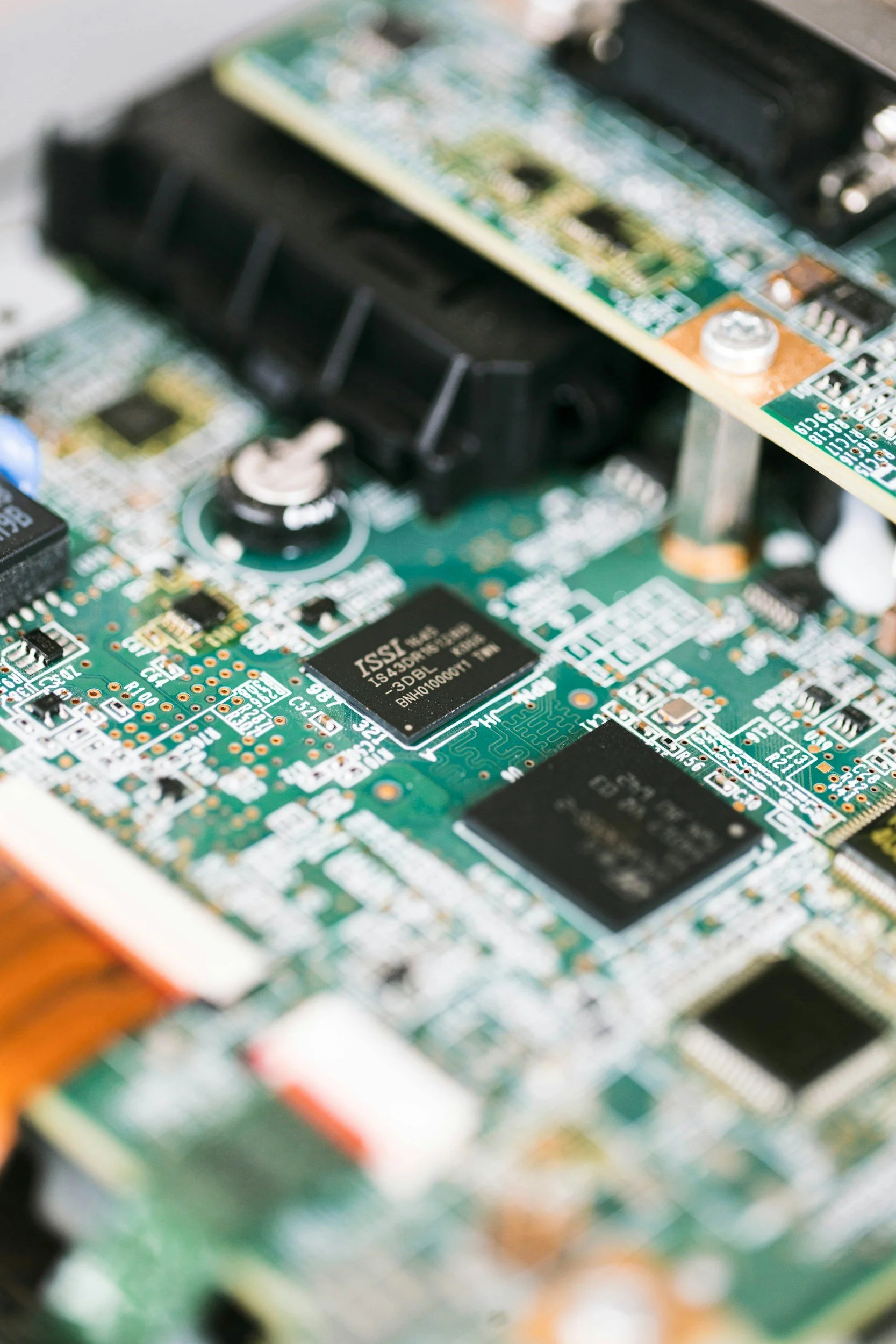
educing Design Risks
Prototype development identifies design weaknesses early in the process. Engineers can evaluate electrical performance, thermal behavior, and component interaction under real-world conditions. This prevents costly revisions during manufacturing.
By leveraging electronic prototype design and development services, organizations gain clarity on functionality and performance before committing to production investments.
Improving Product Accuracy
A well-developed prototype ensures the final product aligns with the original specifications. It allows teams to validate schematics, firmware integration, and hardware compatibility.
Key benefits include:
Early validation of circuit behavior
Accurate component selection
Improved system integration
Enhanced performance optimization
Accelerating Development Cycles
Rapid electronic prototype development services shorten product development timelines by enabling faster iteration. Engineers can quickly test multiple design variations and refine them based on real data.
This approach reduces time-to-market while maintaining engineering precision.
Cost Efficiency in Development
Prototyping reduces long-term expenses by identifying issues before mass production. Fixing errors at the prototype stage requires fewer resources compared to large-scale manufacturing corrections.
Low-cost electronic prototype development services further support budget-conscious projects without sacrificing quality.
Supporting Innovation and Experimentation
Prototype development encourages innovation by allowing teams to experiment with new technologies, components, and configurations. Engineers can explore alternative solutions without the risk associated with full production.
Enabling Stakeholder Validation
Functional prototypes provide tangible proof of concept. Stakeholders, investors, and decision-makers can evaluate performance, usability, and feasibility before approving further development.
Who Needs Prototype Development Services?
Electronic prototype development supports a wide range of organizations, each with unique engineering challenges and product goals. From startups to established OEMs, prototyping enables efficient product validation and refinement.
Startups and Innovators
Startups rely heavily on electronic prototype development for startups to transform ideas into tangible products. Prototypes help secure funding, demonstrate feasibility, and refine concepts before scaling.
Benefits for startups include:
Faster proof of concept validation
Reduced development risk
Improved investor confidence
Ability to test market viability

Original Equipment Manufacturers (OEMs)
OEMs require precise and scalable solutions. Electronic prototype development services support new product lines, design improvements, and system upgrades.
Prototyping allows OEMs to:
Validate complex designs
Optimize performance
Ensure compatibility with existing systems
Prepare for large-scale manufacturing
Product Development Teams
Engineering teams depend on prototypes to evaluate functionality and refine designs. Electronic hardware prototype development services provide structured support for testing and iteration.
Research and Development Departments
R&D teams use prototypes to explore new technologies and validate experimental concepts. Rapid electronic prototype development services enable quick testing cycles and data-driven decision-making.
Industrial Equipment Manufacturers
Industrial systems demand high reliability and durability. Prototyping ensures components meet operational requirements and withstand environmental conditions.
Technology Companies
Tech-driven organizations require advanced electronic systems for devices, platforms, and infrastructure. Prototypes ensure seamless integration and performance consistency.
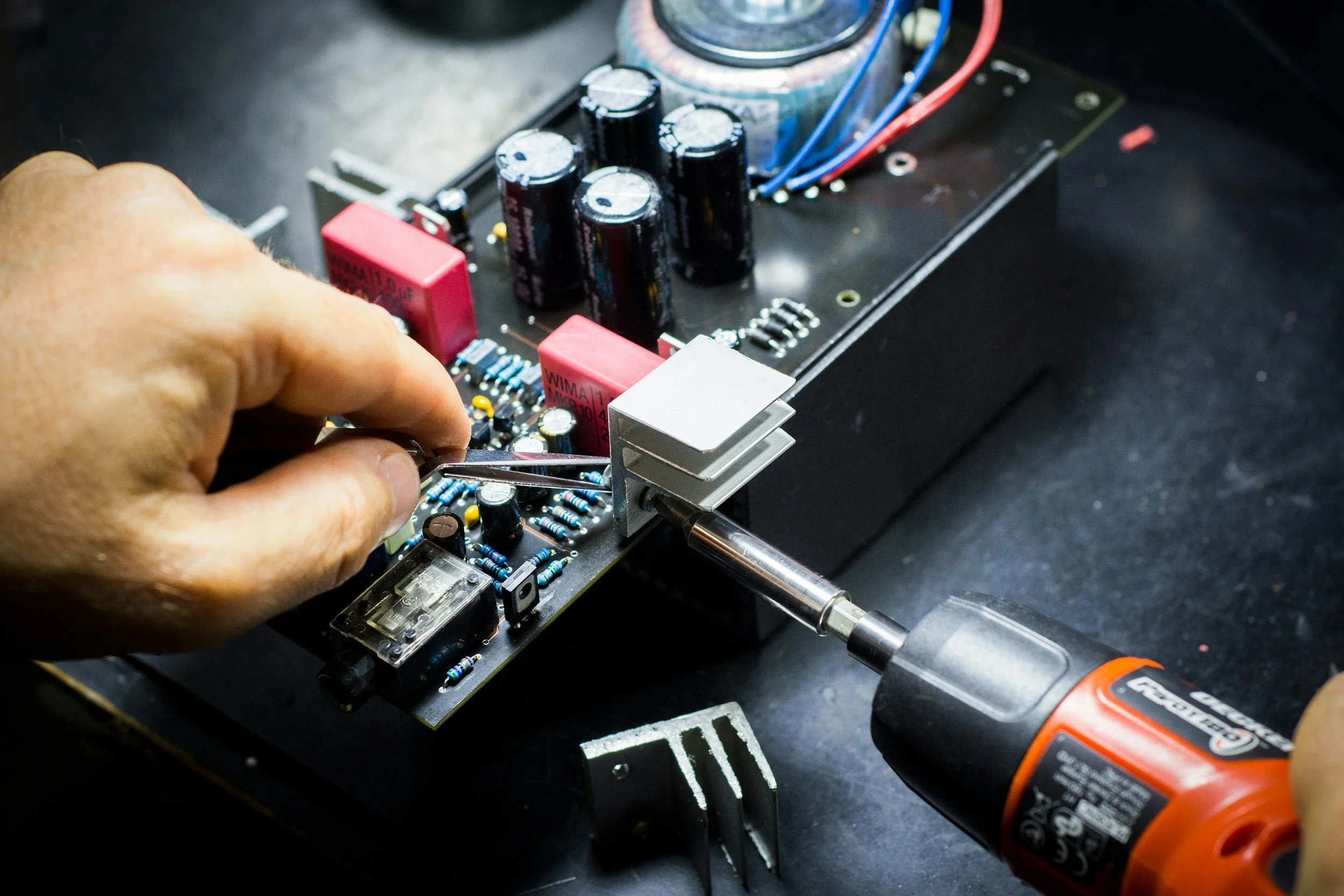
Entrepreneurs and Independent Developers
Individuals developing innovative products benefit from custom electronic prototype development services. These services provide technical expertise and structured workflows that support successful product realization.
Educational and Research Institutions
Universities and research labs use prototypes for experimentation, innovation, and proof-of-concept development.
Businesses Seeking Cost-Effective Development
Organizations looking for low-cost electronic prototype development services can validate ideas without excessive investment, making prototyping accessible across different scales.
Electronic prototype development services adapt to diverse needs, ensuring every client receives tailored solutions aligned with technical requirements and business objectives.
Our End-to-End Prototype Development Process
A structured process ensures consistency, accuracy, and efficiency in prototype development. KBH Electronics follows a step-by-step approach that aligns engineering precision with project requirements.
Requirement Analysis
Engineers evaluate project specifications, functional requirements, and performance goals to establish a clear development roadmap.Concept Development
Initial concepts are created based on technical requirements, ensuring feasibility and alignment with intended applications.Circuit Design
Detailed schematics are developed, focusing on electrical performance, efficiency, and system integration.Component Selection
Suitable components are selected based on availability, cost, and compatibility with design specifications.PCB Design and Layout
PCB prototype development services ensure optimized layouts for signal integrity, thermal management, and manufacturability.Prototype Fabrication
Physical prototypes are built using precise assembly techniques, ensuring accuracy and consistency.Testing and Validation
Each prototype undergoes functional, electrical, and environmental testing to verify performance.Design Refinement
Feedback from testing is used to improve design accuracy and performance.Pre-Production Optimization
Final adjustments prepare the prototype for scalable manufacturing.Documentation and Delivery
Complete documentation ensures seamless transition to production and future iterations.
Electronic Circuit Design & Engineering
Circuit design forms the backbone of any electronic system. Precision at this stage determines performance, efficiency, and reliability.
Engineering Approach
Engineers develop circuits based on functional requirements, ensuring compatibility with system architecture. Each design focuses on optimizing electrical performance while maintaining efficiency.
Key Design Elements
Power management and distribution
Signal integrity and noise reduction
Component compatibility
Thermal performance optimization
Simulation and Testing
Advanced simulation tools validate circuit behavior before physical prototyping. This reduces errors and improves design accuracy.
Custom Design Solutions
Custom electronic prototype development services allow tailored circuit designs that meet specific application requirements. This ensures flexibility and adaptability across different industries.
Integration with Hardware
Electronic hardware prototype development services ensure circuits integrate seamlessly with physical components and enclosures.
PCB Design & Layout Services
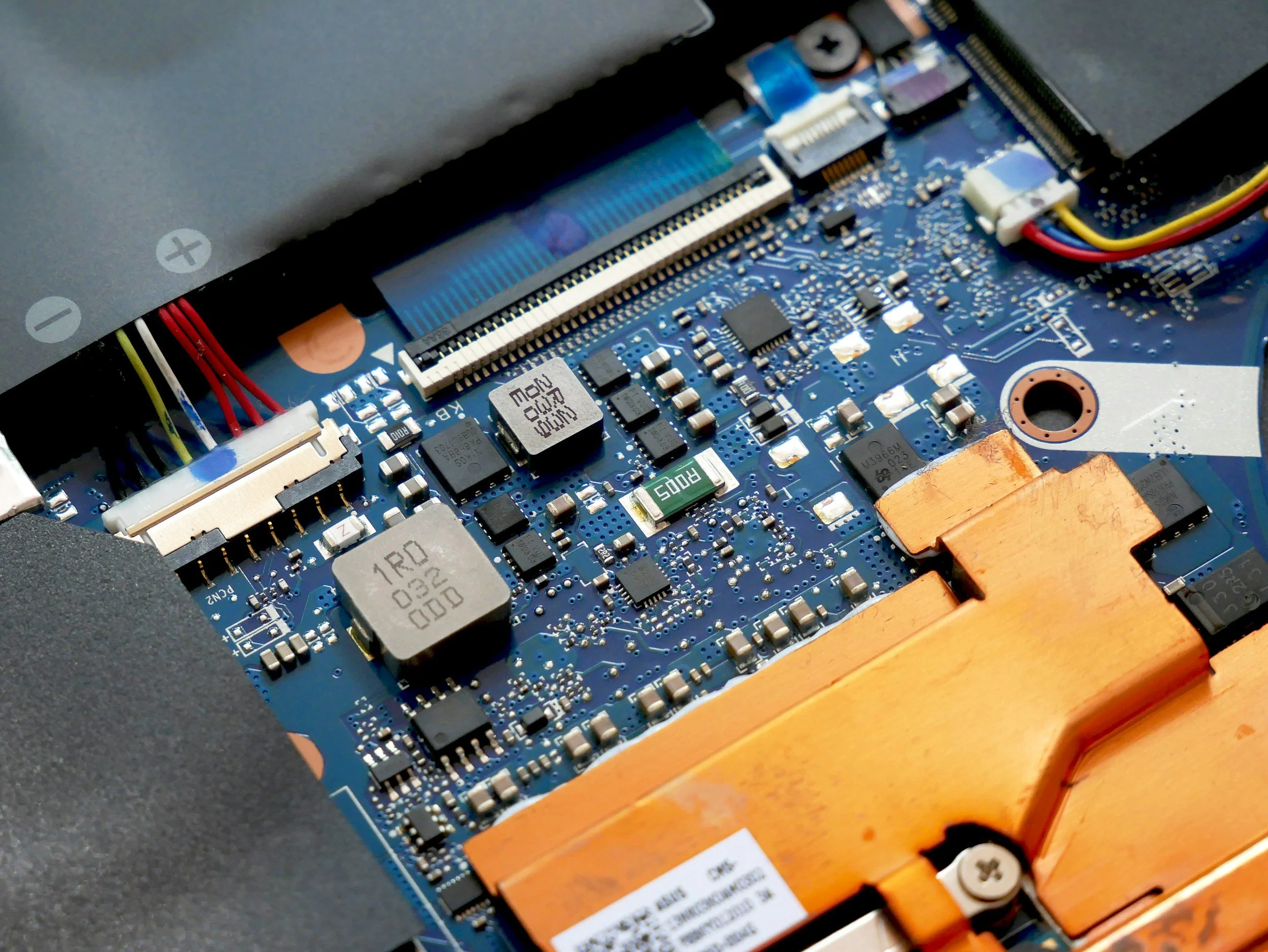
PCB design defines the structural and functional integrity of electronic systems. Precision layout ensures reliable connections, optimal performance, and manufacturability.
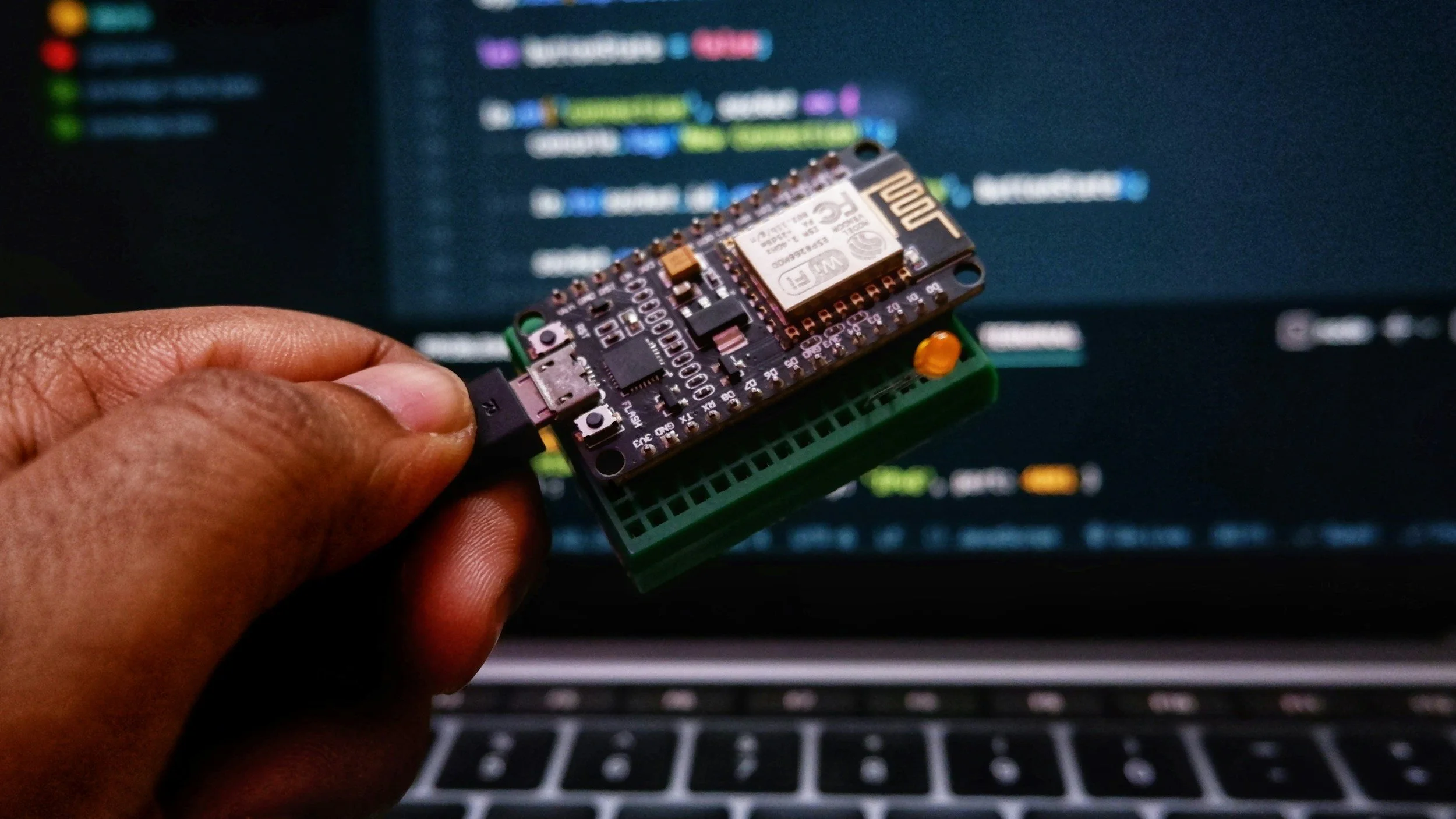
Design Methodology
Engineers create layouts that balance electrical performance with physical constraints. This includes component placement, routing, and layer management.
Key Features
High-density PCB layouts
Multi-layer board design
Signal integrity optimization
Thermal management solutions
EMI/EMC compliance considerations
Design for manufacturability (DFM)
Design for testing (DFT)
Rapid prototyping support
Layout Optimization
PCB prototype development services focus on minimizing interference, improving signal flow, and ensuring efficient use of board space.
Advanced Tools and Techniques
Modern design software enables precise routing, simulation, and validation, ensuring high-quality outcomes.
Custom PCB Solutions
Custom electronic prototype development services provide tailored PCB designs that align with unique product requirements.
Integration with Assembly
PCB layouts are optimized for seamless assembly, reducing production challenges and improving efficiency.
Quality and Reliability
Rigorous checks ensure each PCB meets performance standards and supports long-term reliability
Industries We Serve
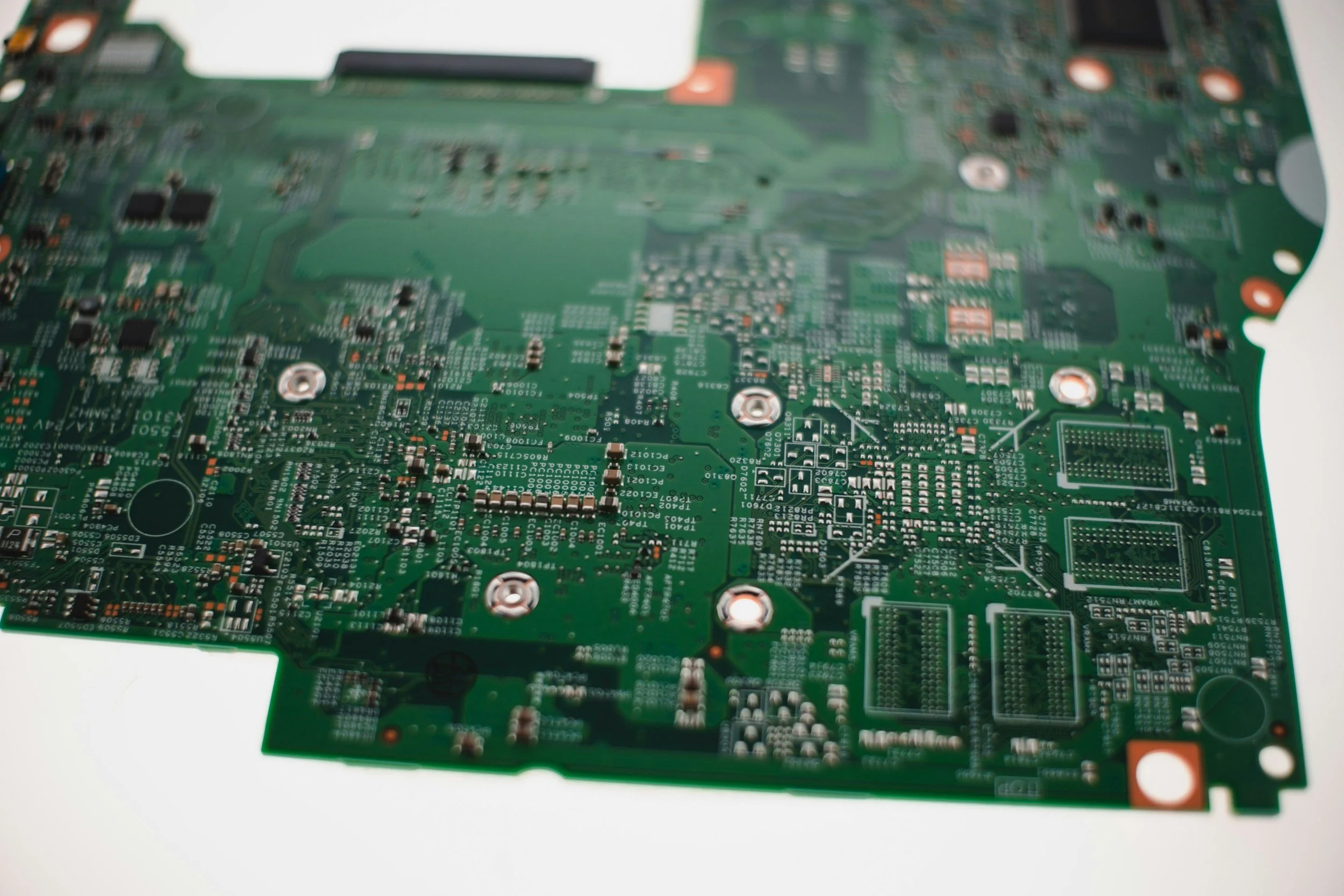
Electronic prototype development supports a wide range of industries, each requiring specialized solutions and technical precision.
Industrial Automation
Control systems
Robotics interfaces
Machine monitoring devices
Medical Technology
Diagnostic equipment
Patient monitoring systems
Portable medical devices
Automotive and Mobility
Electronic control units
Sensor systems
Infotainment modules
Aerospace and Defense
Communication systems
Navigation equipment
High-reliability electronics
Step 7: Inspection and Testing
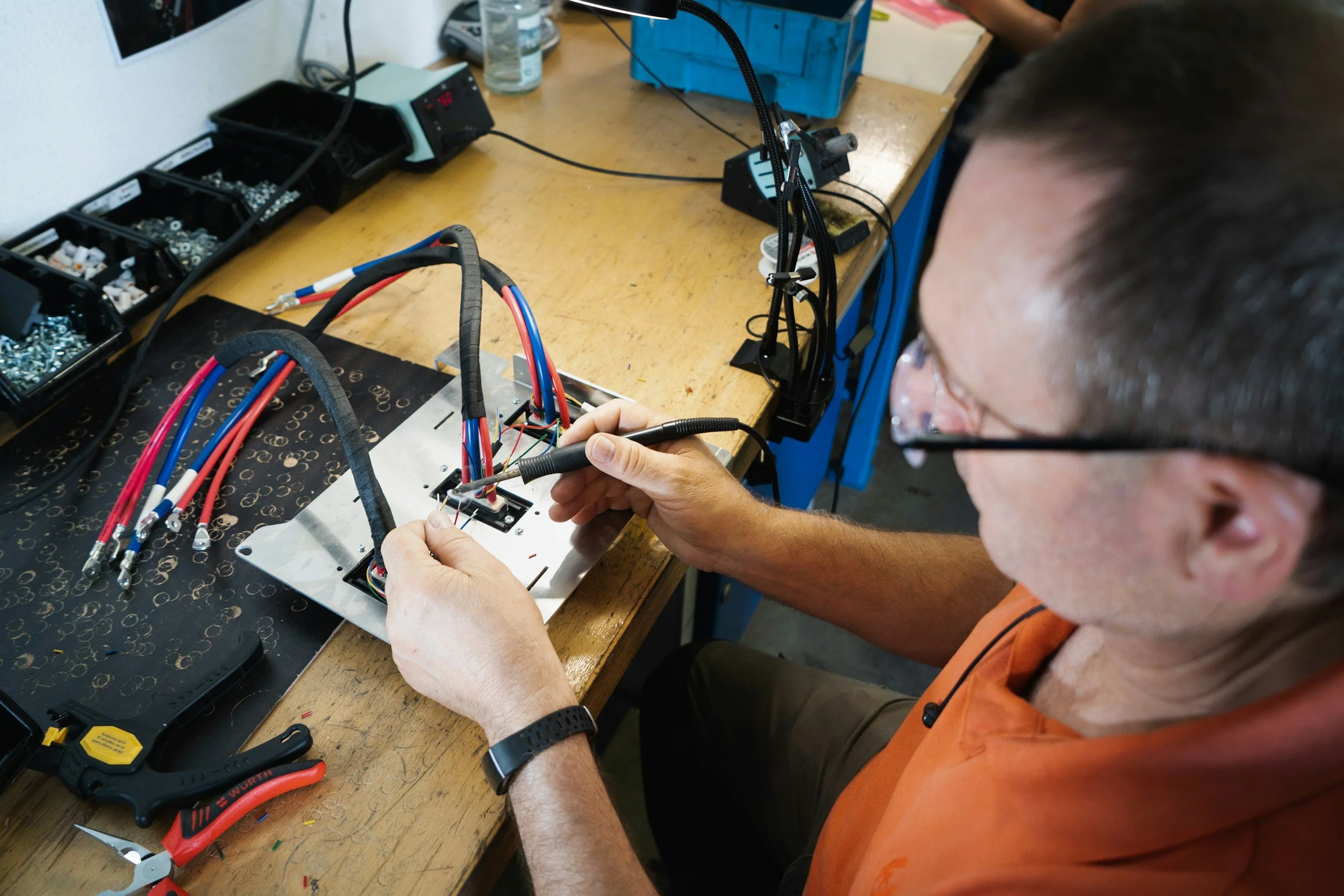
Each assembly undergoes multiple inspection stages:
Automated optical inspection
X-ray analysis
Functional testing
Step 8: Assembly Integration
For complex systems, assemblies integrate into enclosures or larger systems, ensuring full functionality.
Step 9: Quality Verification
Final checks confirm compliance with specifications, ensuring readiness for deployment.
Step 10: Packaging and Delivery
Secure packaging protects assemblies during transit, maintaining integrity until delivery.
Why Choose KBH Electronics
KBH Electronics delivers structured, precision-driven electronic prototype development services designed for performance and scalability. Every project follows controlled workflows that ensure consistency from concept to functional prototype.
As an electronic prototype development company, KBH Electronics prioritizes accuracy, efficient execution, and engineering integrity. Advanced tools, optimized processes, and detailed validation ensure prototypes meet strict technical requirements while remaining ready for production scaling.
Custom electronic prototype development services provide flexibility for complex and specialized applications. Rapid electronic prototype development services support accelerated timelines without compromising quality.
From circuit design to PCB layout and testing, every stage aligns with performance expectations, ensuring reliable prototypes that support confident product development and seamless transition into manufacturing.
FAQs
-
Electronic prototype development services involve designing, building, and testing early-stage electronic systems to validate functionality and performance. These services reduce development risks, improve design accuracy, and ensure manufacturability. Prototypes allow engineers to identify issues early, refine designs, and prepare products for efficient large-scale production and deployment across industries.
-
The timeline for electronic prototype development depends on complexity, component availability, and testing requirements. Simple prototypes may take a few days, while advanced systems require several weeks. Efficient planning, rapid electronic prototype development services, and streamlined workflows help reduce timelines while maintaining design accuracy and performance validation throughout the development process.
-
Electronic prototype design and development services include circuit design, PCB layout, component selection, prototype fabrication, testing, and validation. These services ensure the prototype meets functional and performance requirements. They also prepare designs for manufacturing by optimizing layouts, improving reliability, and ensuring compatibility with production processes and system integration needs.
-
PCB prototype development services enhance product quality by ensuring accurate layout, proper component placement, and optimized signal flow. These services reduce interference, improve thermal performance, and ensure manufacturability. Early testing of PCB prototypes helps identify design issues, allowing engineers to refine layouts and achieve consistent performance in final production units.
-
Quality control includes automated optical inspection, X-ray analysis, in-circuit testing, and functional validation. These processes identify defects, ensure proper component placement, and verify performance. Consistent quality checks throughout production help maintain reliability, reduce rework, and ensure assemblies meet strict industry standards and client specifications before final delivery stages.
-
The cost of electronic prototype development services depends on design complexity, component selection, production volume, and testing requirements. Additional factors include customization level, turnaround time, and engineering support. Low-cost electronic prototype development services focus on optimizing resources while maintaining quality, ensuring efficient development without unnecessary expenses or delays in project execution.
-
Rapid electronic prototype development services enable faster design iterations, allowing engineers to test and refine concepts quickly. This approach reduces development time, improves decision-making, and accelerates product readiness. Teams can identify issues early, optimize performance, and respond to market demands efficiently while maintaining high standards of quality and engineering precision.
-
Testing ensures that prototypes meet functional, electrical, and performance requirements. Electronic hardware prototype development services include rigorous testing processes such as functional validation and environmental evaluation. These tests identify defects, improve reliability, and ensure the prototype performs consistently under real-world conditions before transitioning to full-scale production and deployment stages.
-
Well-designed prototypes can transition smoothly into production if they are optimized for manufacturability. Electronic product prototype development services focus on ensuring scalability by refining designs, selecting suitable components, and aligning processes with manufacturing requirements. Proper planning and validation during prototyping reduce challenges and ensure efficient production scaling without compromising quality or performance.
-
Companies evaluate an electronic prototype development company based on technical capabilities, design expertise, process efficiency, and reliability. Clear communication, structured workflows, and quality control systems are essential factors. A dependable provider ensures prototypes meet specifications, supports scalability, and delivers consistent results aligned with project goals and engineering requirements for successful product development outcomes.