

Services
CircuitBoard Assembly Services
Reliable electronics begin with precise assembly, where every connection directly impacts performance and durability. KBH Electronics delivers structured circuit board assembly services designed to support OEMs, engineers, and product developers with consistent, high-quality results. From early-stage prototypes to large-scale production, each assembly follows controlled workflows that ensure accuracy, traceability, and efficiency. As a circuit board assembly service provider focused on performance and scalability, KBH Electronics integrates sourcing, assembly, and testing into one streamlined process. This approach reduces complexity, accelerates production timelines, and ensures that every finished assembly meets strict technical and operational requirements across demanding electronic applications.
What Is Circuit Board Assembly?
Circuit board assembly refers to the process of mounting and soldering electronic components onto a printed circuit board to create a fully functional electronic unit. Printed circuit board assembly services transform a bare PCB into a working system capable of supporting electrical operations across a wide range of applications.

Core Definition and Scope
Electronic circuit board assembly services involve several coordinated processes, including component placement, soldering, inspection, and testing. Each stage ensures that the final assembly meets design specifications and performs reliably under operational conditions.
A professional circuit board assembly service provider manages the entire workflow, ensuring consistency, quality, and efficiency throughout the production cycle.
Types of Circuit Board Assembly
Different assembly methods are used depending on design requirements and application needs:
SMT circuit board assembly services: Surface mount technology places components directly onto the board surface, enabling compact and high-density designs
Through-hole circuit board assembly services: Components are inserted into drilled holes, providing strong mechanical connections for durability
Mixed assembly: Combines SMT and through-hole techniques for complex electronic systems
Turnkey and Custom Solutions
Turnkey circuit board assembly services integrate sourcing, assembly, testing, and delivery into one unified system. This approach simplifies project management and reduces production delays.
Custom circuit board assembly services allow tailored solutions based on specific product requirements, ensuring compatibility and optimal performance.
Key Assembly Components
The assembly process includes:
Component sourcing and verification
Solder paste application
Automated and manual component placement
Reflow or wave soldering
Inspection and testing
Each step ensures reliable electrical connections and long-term performance.
Importance in Electronics Manufacturing
Circuit board assembly forms the foundation of electronic product development. It ensures that designs translate into functional systems capable of meeting performance expectations.
Strategic Value
Printed circuit board assembly services provide scalable solutions that support both small and large production runs. They reduce operational complexity while ensuring consistent quality.
Circuit board assembly services play a critical role in modern manufacturing, delivering precision-driven solutions that support innovation and technological advancement.
Who Needs Circuit Board Assembly Services?
Circuit board assembly services support a wide range of organizations that require reliable and scalable electronic manufacturing solutions. These services adapt to different product requirements and operational goals.
Original Equipment Manufacturers (OEMs)
OEMs rely on electronic circuit board assembly services to produce complex systems efficiently. Outsourcing assembly allows them to focus on design, branding, and market strategy.
Startups and Emerging Businesses
Startups benefit from prototype circuit board assembly services by validating concepts and refining designs before scaling production. This approach reduces risk and improves product readiness.
Engineers and Product Developers
Engineering teams use custom circuit board assembly services to ensure designs translate into functional and reliable products. These services support iterative development and testing.
Procurement Professionals
Procurement teams depend on a reliable circuit board assembly service provider to manage sourcing, assembly, and delivery efficiently.
Industrial Equipment Manufacturers
Industrial applications require durable and reliable assemblies. Through-hole circuit board assembly services ensure strong connections and long-term performance.
Technology Companies
Technology-driven organizations require high-density and high-performance assemblies. SMT circuit board assembly services support compact and advanced designs.
Common Challenges in Circuit Board Assembly
Circuit board assembly involves complex processes that require precision, coordination, and strict quality control. Without structured systems, organizations face challenges that impact production efficiency and product reliability.
Component Availability Issues: Supply chain disruptions delay production schedules
Placement Accuracy Errors: Misaligned components affect functionality and performance
Soldering Defects: Weak or inconsistent solder joints lead to failures
Design for Manufacturability Problems: Poor design increases assembly complexity
Quality Control Variability: Inconsistent inspection leads to defects and rework
Scalability Constraints: Transitioning from prototypes to large-scale production introduces inconsistencies
Thermal Management Challenges: Inefficient heat dissipation impacts performance
Testing Limitations: Incomplete testing results in undetected defects
Lead Time Delays: Inefficient workflows slow down production
Cost Control Difficulties: Balancing quality and cost requires careful planning
Impact on Production
These challenges can increase costs, delay timelines, and reduce product quality. Without proper management, they disrupt manufacturing processes and affect overall efficiency.
Addressing Assembly Challenges
Structured circuit board assembly services address these issues through controlled workflows, advanced technologies, and rigorous quality control systems.
Role of Turnkey Solutions
Turnkey circuit board assembly services simplify production by integrating sourcing, assembly, and testing into one streamlined process. This reduces coordination gaps and improves efficiency.
By addressing these challenges effectively, organizations can achieve reliable production outcomes and maintain high-quality standards.
Our End-to-End Assembly Workflow
A structured workflow ensures accuracy, efficiency, and consistent quality across all stages of production. KBH Electronics follows a step-by-step process designed to deliver reliable printed circuit board assembly services.
Project Evaluation: Engineers review design files, specifications, and production requirements to establish a clear roadmap.
Component Sourcing: Verified components are sourced to ensure compatibility and quality.
Solder Paste Application: Precise application ensures strong and reliable connections.
Component Placement: Automated systems place components with high accuracy.
Reflow Soldering: Controlled heating ensures secure and consistent solder joints.
Through-Hole Assembly: Components are inserted and soldered for added mechanical strength.
Inspection and Testing: Assemblies undergo automated optical inspection and functional testing.
Quality Assurance: Final checks ensure compliance with specifications.
Packaging and Delivery: Assemblies are securely packaged and prepared for shipment.
Documentation and Traceability: Detailed records support future production and quality control.
Design Review & Manufacturability Analysis (DFM)
Design review and manufacturability analysis ensure that circuit board designs align with production capabilities. This process identifies potential issues before assembly begins, improving efficiency and reliability.
Importance of Design Review
A thorough review ensures that schematics, layouts, and component selections meet manufacturing requirements. This reduces errors and improves production efficiency.
Technical Insights
DFM analysis evaluates how design decisions impact assembly processes. Engineers assess:
Compatibility with SMT circuit board assembly services
Suitability for through-hole circuit board assembly services
Feasibility of high-volume circuit board assembly services
Benefits of DFM Analysis
Reduced manufacturing errors
Improved production efficiency
Lower costs due to fewer revisions
Enhanced product reliability
Faster time-to-market
Our Industries We Serve
Circuit board assembly services support a wide range of industries, each with unique requirements and performance expectations.
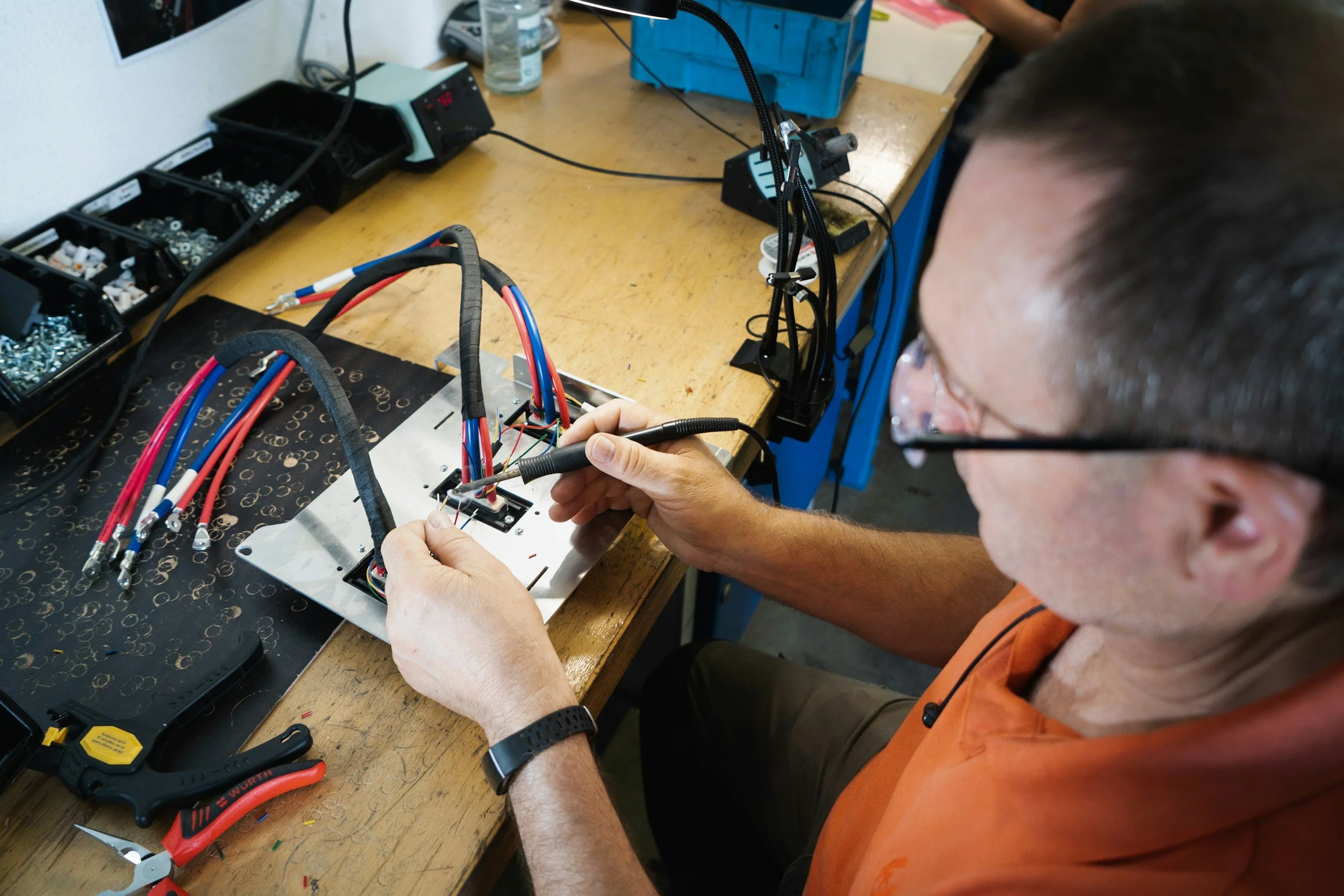
Industrial Equipment
Automation systems
Control panels
Robotics components
Medical Devices
Diagnostic equipment
Monitoring systems
Portable medical electronics
Automotive and Transportation
Electronic control units
Sensor systems
Infotainment modules
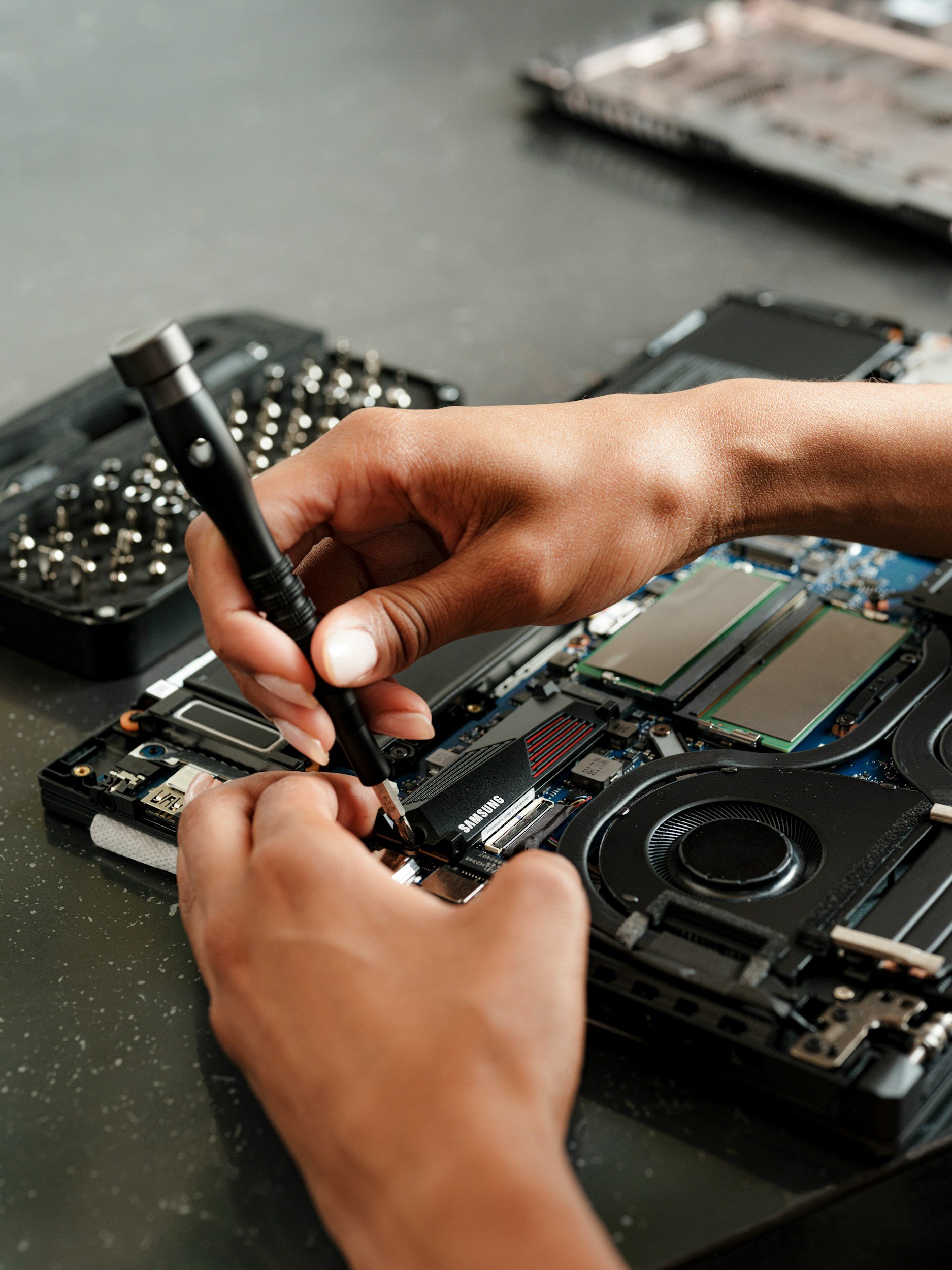
Telecommunications
Network infrastructure
Signal processing systems
Communication modules
Energy and Power Systems
Renewable energy solutions
Power management units
Battery control systems
OEM Manufacturing
Embedded systems
Custom assemblies
Product-specific manufacturing
Each industry benefits from circuit board assembly services that prioritize precision, scalability, and consistent performance.
Why Choose KBH Electronics
KBH Electronics delivers precision-driven circuit board assembly services designed to meet complex manufacturing requirements. Every project follows structured workflows that ensure accuracy, consistency, and efficiency from initial sourcing to final delivery.
As a circuit board assembly service provider, KBH Electronics focuses on quality control, scalable production, and reliable execution. Advanced inspection systems and optimized processes ensure that every assembly meets strict technical standards.
Custom circuit board assembly services provide flexibility for specialized applications, while turnkey circuit board assembly services simplify production by integrating sourcing, assembly, and testing into one streamlined system. This approach reduces complexity and improves operational efficiency.
For organizations seeking dependable printed circuit board assembly services, KBH Electronics delivers structured solutions that align with technical and production goals.
FAQs
-
Circuit board assembly services involve mounting and soldering electronic components onto a printed circuit board to create functional assemblies. The process includes component sourcing, placement, soldering, inspection, and testing. These services ensure reliable performance, consistent quality, and efficient production for electronic products across various industries and applications.
-
SMT circuit board assembly services mount components directly onto the surface of the board, allowing compact designs. Through-hole circuit board assembly services insert components into drilled holes for stronger connections. Both methods serve different purposes, and many designs combine them to achieve optimal performance and durability.
-
Turnkey circuit board assembly services include component sourcing, PCB fabrication, assembly, testing, and delivery. This approach centralizes all production stages under one provider, reducing complexity and improving efficiency. It ensures consistent quality, faster turnaround times, and streamlined workflows for both prototype and high-volume production projects.
-
OEMs, startups, engineers, and procurement professionals benefit from electronic circuit board assembly services. These services provide scalable production, consistent quality, and efficient workflows. They allow organizations to focus on design and innovation while outsourcing assembly processes, ensuring reliable and cost-effective manufacturing solutions for electronic products.
-
Custom circuit board assembly services address challenges such as design complexity, component compatibility, and production scalability. They provide tailored solutions that align with specific requirements, ensuring efficient assembly and reliable performance. These services also help optimize designs for manufacturability, reducing errors and improving overall product quality.
-
Prototype circuit board assembly services enable testing and validation of new designs before full-scale production. They allow engineers to identify issues, refine designs, and improve performance. This process reduces development risks, shortens timelines, and ensures that final products meet technical and functional requirements effectively and efficiently.
-
The cost of circuit board assembly services depends on design complexity, component selection, production volume, and testing requirements. Additional factors include turnaround time and customization level. Efficient sourcing and optimized processes help control costs while maintaining quality, ensuring reliable and cost-effective manufacturing outcomes for electronic products.
-
High-volume circuit board assembly services use automated equipment and standardized processes to maintain consistency across production runs. Advanced inspection systems verify component placement and solder quality. These measures ensure reliable performance, reduce defects, and support efficient large-scale manufacturing while maintaining strict quality standards throughout the production process.
-
Testing ensures that assembled circuit boards function correctly and meet performance standards. It includes automated optical inspection, functional testing, and other validation processes. Testing identifies defects early, improves reliability, and ensures that assemblies perform consistently in real-world applications, making it a critical step in assembly services.
-
Companies evaluate a circuit board assembly service provider based on technical capabilities, quality control processes, scalability, and reliability. Clear communication, efficient workflows, and consistent performance are essential. A dependable provider ensures timely delivery, maintains high standards, and aligns assembly processes with project requirements and production goals.